
Diptych Art: Spotlight on the ‘Harvest Moon – Diptych’
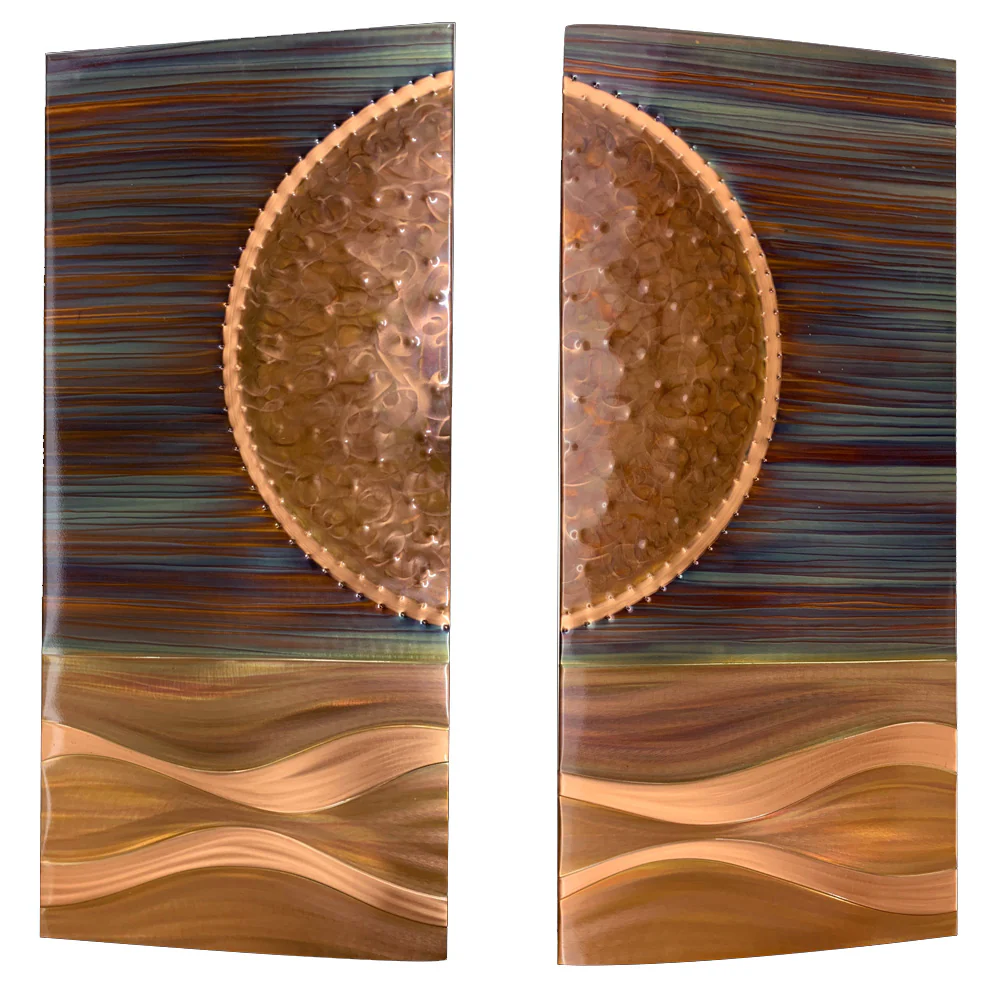
Xanadu Santa Fe has been a cherished destination for art lovers and collectors in New Mexico for over 20 years. Known for curating unique and inspiring pieces, Xanadu Santa Fe proudly offers one of its standout items, the “Harvest Moon – Diptych.” This beautiful two-panel artwork is an ideal choice for anyone looking to add a sense of elegance, depth, and harmony to their space. Let’s explore the fascinating world of diptych art, the unique qualities of the “Harvest Moon – Diptych,” and how this particular piece can bring character and sophistication to your home. What is Diptych Art? Understanding Diptychs in Art The term “diptych” refers to a two-part artwork, typically displayed side-by-side, that forms a cohesive and balanced image. Diptychs date back centuries and have their roots in ancient and religious art, where two panels were often hinged together for devotional purposes. Today, diptych art has evolved, taking on a more modern role in interior design and becoming popular as wall art. With its ability to fill a space gracefully, diptych wall art offers a creative way to bring structure and harmony to any room. The Growing Popularity of Diptych Wall Art Diptychs have become increasingly popular in contemporary art and decor for their flexibility and visual impact. Unlike single-panel pieces, diptych wall art introduces balance and flow into a room, making it an ideal choice for modern spaces. The two-panel setup offers an engaging visual break while still maintaining unity, which can enhance the ambiance of any space. Introducing the ‘Harvest Moon – Diptych’ by Xanadu Santa Fe A Closer Look at the ‘Harvest Moon – Diptych’ The “Harvest Moon – Diptych” is a captivating piece that stands out in the Xanadu Santa Fe collection. Inspired by the natural beauty and mystique of a harvest moon, this diptych wall art piece features stunning colors, textures, and an evocative design that captures the serenity and elegance of moonlight. Each panel is crafted to complement the other, creating a harmonious visual experience that brings a touch of nature indoors. The Artist’s Vision and Inspiration The “Harvest Moon – Diptych” reflects the artist’s interpretation of the calm and mysterious essence of a harvest moon. This piece is a tribute to the beauty of the natural world, showcasing how diptychs in art can convey mood, movement, and emotion. Whether you place this diptych art piece in your living room, bedroom, or hallway, it’s sure to add a sense of warmth and tranquillity to your home. Why Choose Diptych Wall Art for Your Space? Enhancing Room Aesthetics with Diptych Wall Art Diptychs are an excellent way to enhance the aesthetic appeal of any room. The “Harvest Moon – Diptych” is particularly effective at adding dimension and depth to a space. With two panels working in unison, diptych art provides a dynamic visual experience that single-panel art often lacks. Its unique arrangement makes it an eye-catching focal point that draws attention without overwhelming the room. Diptych Art as a Statement Piece One of the unique benefits of diptych art is its ability to create a statement. The “Harvest Moon – Diptych” offers a balanced yet engaging display, making it perfect for creating a memorable impact in any setting. This piece, like many others in the diptych art form, brings a sense of completeness and connection to its surroundings, making it an excellent choice for art lovers seeking a distinctive yet harmonious addition to their decor. Versatility in Placement The “Harvest Moon – Diptych” offers flexibility in terms of placement, making it suitable for a variety of spaces and layouts. Whether you place it above a sofa, in a hallway, or as a centerpiece on a large wall, this art diptych will add sophistication and visual interest to any area. The History of Diptych Art: From Ancient Times to Modern Homes Diptych Art in Ancient and Medieval Times Diptych art has a rich history, with its origins tracing back to ancient Rome, Greece, and early Christianity. In these early periods, diptychs were often used as ceremonial objects, featuring religious iconography and carved images. As religious artifacts, they were created to symbolize unity and devotion, making them treasured items in sacred settings. The Evolution of Diptychs in Modern Art In contemporary times, diptychs have evolved from religious symbols to versatile forms of expression. Modern artists now use diptychs to explore themes of balance, contrast, and continuity. Nature-inspired themes like the “Harvest Moon – Diptych” are particularly popular, as they reflect a universal connection to the environment, resonating with today’s interior design preferences. How to Style and Place the ‘Harvest Moon – Diptych’ in Your Home Tips for Displaying Diptychs When it comes to displaying diptychs, consider the room’s dimensions and lighting. Placing the “Harvest Moon – Diptych” on a prominent wall, like above a couch or in a dining room, will help it become a focal point of the space. Be mindful of the spacing between the panels to ensure they’re balanced and visually aligned. Choosing the Right Orientation The orientation of diptych art can also make a significant impact. For instance, a vertical orientation is ideal for narrow spaces, such as a hallway or entryway, while a horizontal orientation suits larger walls, like those in living rooms or bedrooms. The “Harvest Moon – Diptych” can be adapted to various orientations to suit the layout of your space. Pairing with Different Decor Styles The “Harvest Moon – Diptych” can complement a wide range of decor styles. Its earthy colors and natural theme make it an ideal addition to modern, rustic, or even minimalist decor. Pairing it with simple, neutral furniture or natural elements like wood or stone accents can enhance its aesthetic appeal, creating a cohesive and harmonious atmosphere. FAQs about Diptych Art and the ‘Harvest Moon – Diptych’ Q1: What is diptych art, and how does it differ from other wall art?A: Diptych art is a two-panel artwork created to be displayed side by side as a unified piece. Unlike traditional wall art,