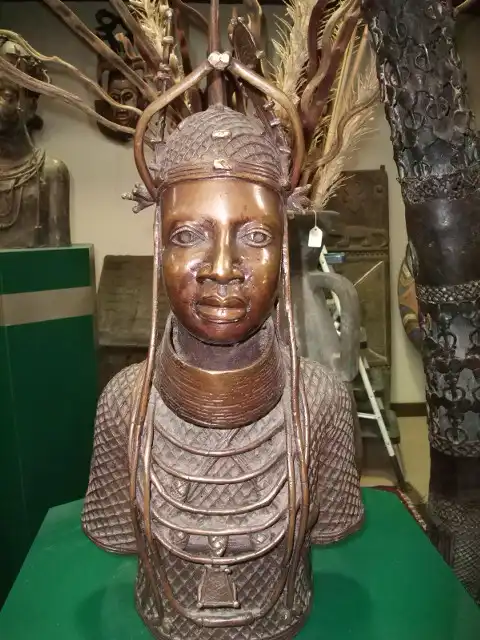
Xanadu, a cherished establishment in Santa Fe for over 20 years, proudly houses a remarkable collection that includes the Benin Bronze Princess Bust. Join us on a journey to uncover the beauty and cultural significance of this iconic sculpture, exploring its intricate craftsmanship, historical background, and why it’s a treasure in African art. Description and Artistic Details The Benin Bronze Princess Bust is a stunning sculpture, standing about 20 1/2 inches tall, 11 inches wide, and 8 inches deep. It’s made of bronze and depicts a princess dressed in elaborate traditional clothing. The craftsmanship is extraordinary, showing detailed patterns and a serene expression that reflects the skill of Benin artisans from the 16th century. Benin bronze sculptures like this one were created using a special method called lost-wax casting. Artisans first made a model from beeswax, covered it in clay, and then heated it to melt the wax away, leaving a mold. Molten bronze was poured into this mold to create the final sculpture, ensuring every detail was captured and preserved for generations. Historical Context The Benin Kingdom, in what is now Nigeria, thrived from the 13th to the 19th century and was known for its advanced culture and art. Benin bronze casting was a significant part of this culture, not just as art but also as a symbol of power and respect for their kings. When Europeans arrived in the late 1800s, they were amazed by Benin’s wealth and sophistication. Unfortunately, during a British military expedition in 1897, many Benin bronze artworks, including the Princess Bust, were taken away. These sculptures ended up in museums and private collections around the world, sparking debates about cultural heritage and whether they should be returned to Nigeria. Symbolism and Meaning The Princess Bust isn’t just a beautiful artwork; it carries deep meaning in Benin culture. Every detail, from her clothing to the symbols on her body, tells a story. For example, coral beads around her neck symbolize royalty, while leopard motifs on her dress represent strength and leadership. In Benin’s beliefs, bronze sculptures like the Princess Bust weren’t just decorations; they had spiritual importance too. They were believed to connect the physical world with the spiritual one, making them essential in ceremonies and rituals. Cultural Heritage and Preservation Over time, many Benin bronze sculptures found their way into museums worldwide, such as the British Museum and the Metropolitan Museum of Art. These museums now play a crucial role in preserving and sharing Benin’s cultural heritage with people from all over the globe. Recently, there have been calls to return these artworks to Nigeria, where they belong. Supporters argue that it’s essential to honor Benin’s history and culture by bringing these treasures back to their place of origin. Conclusion The Benin Bronze Princess Bust at Xanadu stands as a testament to the brilliance of Benin artistry, captivating viewers with its beauty and historical significance. It reminds us of the rich cultural heritage of the Benin Kingdom and the enduring legacy of its artisans. Xanadu continues to honor this legacy by preserving and sharing the Princess Bust and other Benin bronze sculptures with visitors. They serve as reminders of Africa’s artistic prowess and cultural resilience, sparking conversations about history, identity, and the importance of cultural preservation. As we appreciate the Benin Bronze Princess Bust, we’re invited to explore a world where artistry knows no boundaries—a world where each sculpture tells a story of craftsmanship, symbolism, and the enduring spirit of a kingdom lost in time. FAQs About Benin Bronze Princess Bust Benin bronze sculptures were crafted by skilled artisans in the Benin Kingdom, showcasing their artistic talent and cultural values. They were often made to honor kings or commemorate important events. Artisans used a technique called lost-wax casting. They sculpted a model from beeswax, covered it in clay, heated it to melt the wax, and poured molten bronze into the mold. This process allowed them to create detailed and durable sculptures. Benin bronze sculptures are crucial because they represent the artistic achievements and cultural traditions of the Benin Kingdom. They offer insights into their society, beliefs, and craftsmanship, making them invaluable pieces of African heritage. Benin bronze sculptures are displayed in major museums worldwide, including the British Museum and the Metropolitan Museum of Art. They’re also proudly showcased at Xanadu Santa Fe, providing visitors with a chance to admire these masterpieces up close.

African art has always captivated collectors and art enthusiasts with its rich symbolism and intricate craftsmanship. One such piece that stands out is the Baga Snake on Stand Small, available at Xanadu, a well-known Santa Fe store that has been a cultural hub in New Mexico for over 20 years. Let’s get into the history, symbolism, and cultural significance of this exquisite piece, offering a comprehensive understanding of potential collectors and admirers. Historical Background The Baga people, an ethnic group from Guinea, West Africa, are renowned for their unique artistic expressions, particularly their wooden sculptures. The Baga Snake, also known as “Bansonyi” or “Nimba,” is a recurring motif in Baga art, often associated with fertility, protection, and power. These sculptures have been integral to Baga rituals and ceremonies for centuries, symbolizing the connection between the spiritual and physical worlds. Description of the Sculpture The Baga Snake on Stand Small is a striking piece, measuring 68 inches tall, 9.5 inches wide, and 7 inches deep. Crafted from wood, this sculpture showcases the skilled craftsmanship of Baga artisans. The snake is depicted in a dynamic pose, with intricate patterns carved along its body, highlighting the artist’s attention to detail and deep understanding of the subject matter. Symbolism and Meaning In Baga culture, the snake is a powerful symbol. It represents fertility and the earth’s regenerative power. The Baga Snake sculpture embodies these themes, often used in ceremonies to invoke blessings and protection. The coiled snake, with its undulating form, signifies the cyclical nature of life and the interconnectedness of all living beings. Artistic Techniques Creating a Baga Snake sculpture involves several traditional techniques passed down through generations. Artisans use hand-carving methods to shape the wood, followed by detailed etching to create the intricate patterns. The sculpture is then polished and treated to enhance its durability and aesthetic appeal. These techniques reflect the Baga people’s deep respect for their craft and cultural heritage. Cultural Significance The Baga Snake sculpture is more than just an art piece; it is a cultural artifact that reflects the values and beliefs of the Baga people. It plays a significant role in rituals and ceremonies, acting as a bridge between the spiritual and physical realms. This cultural significance adds to the sculpture’s value, making it a prized possession for collectors and enthusiasts of African art. Collecting and Displaying For those interested in collecting African art, the Baga Snake on Stand Small is a valuable addition. When displaying this piece, it is essential to consider its cultural context and significance. Placing it in a prominent location, with appropriate lighting, can enhance its visual appeal and allow viewers to appreciate its intricate details fully. Conclusion The Baga Snake on Stand Small is a testament to the rich artistic traditions of the Baga people. Its intricate craftsmanship, profound symbolism, and cultural significance make it a unique and valuable piece of African art. As a collector or admirer, owning such a piece allows you to connect with a rich cultural heritage and appreciate the artistry that has been honed over generations. FAQs 1. What is the significance of the snake in Baga art? The snake in Baga art symbolizes fertility, protection, and power. It is often used in rituals and ceremonies to invoke blessings and connect the spiritual and physical worlds. 2. How is the Baga Snake on Stand Small made? The sculpture is hand-carved from wood, with intricate patterns etched along its body. It is then polished and treated to enhance its durability and aesthetic appeal. 3. Why is the Baga Snake on Stand Small a valuable piece for collectors? Its intricate craftsmanship, cultural significance, and the deep symbolism it carries make the Baga Snake on Stand Small a prized possession for collectors and enthusiasts of African art. 4. How should the Baga Snake sculpture be displayed? The sculpture should be placed in a prominent location with appropriate lighting to enhance its visual appeal and allow viewers to appreciate its intricate details fully. For more information and to view the Baga Snake on Stand Small, visit Xanadu Santa Fe.
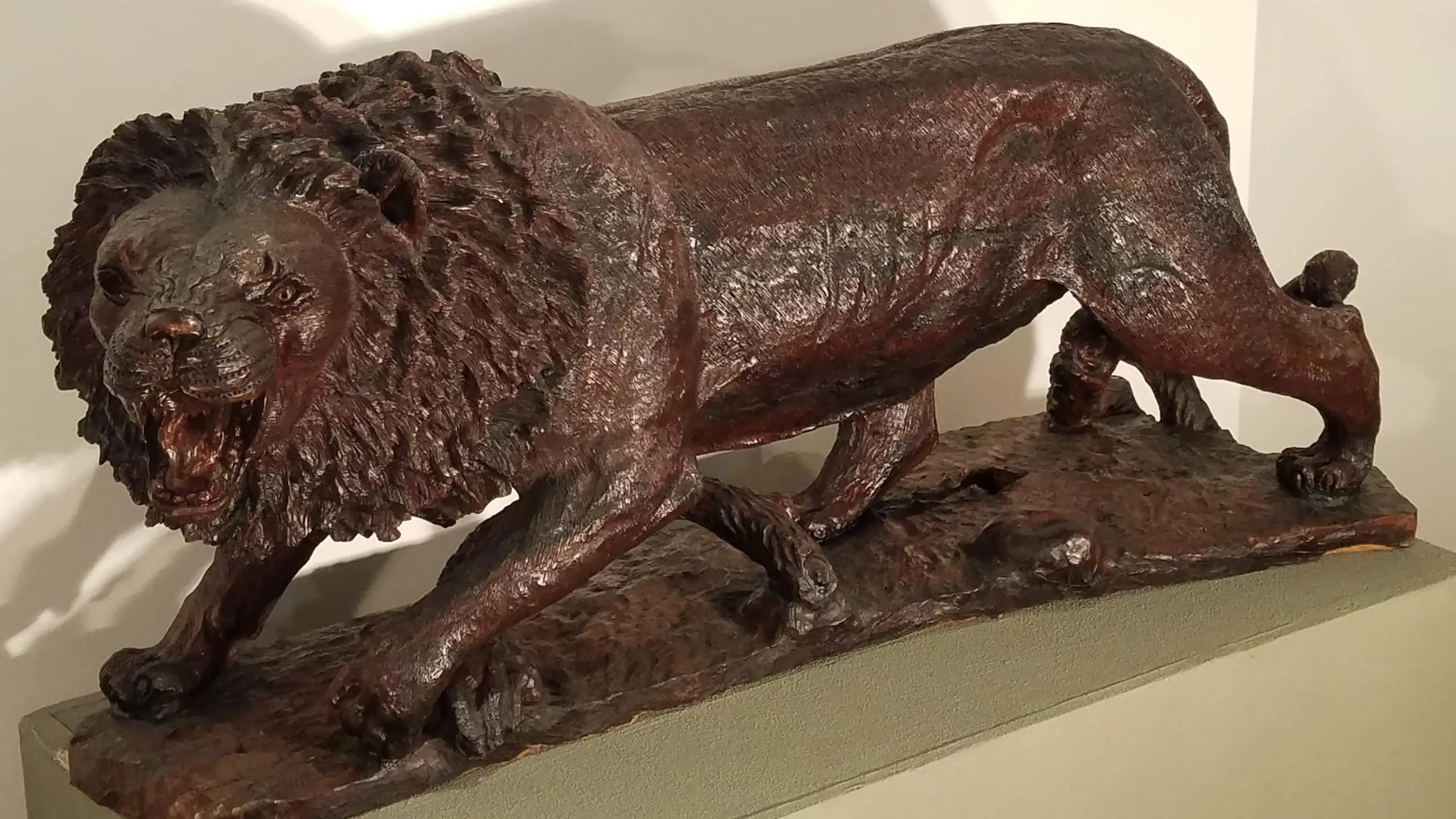
Welcome to Xanadu Santa Fe, where African artistry comes to life in the heart of New Mexico! Step into a world of cultural richness and artistic mastery as we unveil the crown jewel of our collection – the Zimbabwe Wood Lion. Standing tall at 19 inches high and spanning 44 inches wide, this extraordinary masterpiece is a rare gem crafted by the skilled hands of artisan Saul Shumba. Join us on a journey to explore the intricate details and profound symbolism behind the Zimbabwe Wood Lion, a symbol of strength, courage, and cultural heritage from the heart of Africa. The Origins of the Zimbabwe Wood Lion: The Zimbabwe Wood Lion is not merely a sculpture but a masterpiece reflecting centuries of artistic tradition and cultural heritage. Its origins can be traced back to Zimbabwe, a country rich in history and renowned for its vibrant arts scene. In Zimbabwean society, lions hold a special significance, symbolizing strength, courage, and majesty. Lions feature prominently in Zimbabwean folklore and traditions, often depicted as powerful and noble creatures. Craftsmanship Behind the Zimbabwe Wood Lion: Crafting the Zimbabwe Wood Lion requires exceptional skill and dedication. Artisans like Saul Shumba, the mastermind behind this remarkable piece, utilize traditional techniques passed down through generations. One of the most striking aspects of the Zimbabwe Wood Lion is its material – ironwood. Known for its durability and rich color, ironwood is a prized material in African woodcarving. Artisans carefully select the finest pieces of ironwood, ensuring that each sculpture is of the highest quality. The process of carving the Zimbabwe Wood Lion is a labor-intensive endeavor. Artisans start by sketching the design onto the wood, carefully mapping out the details of the lion’s mane, facial features, and muscular physique. With precision and patience, they use various tools, including chisels and knives, to sculpt the wood, bringing the lion to life with every stroke. Cultural and Spiritual Significance: The Zimbabwe Wood Lion is more than just a work of art; it is a symbol deeply rooted in Zimbabwean culture and spirituality. In traditional In Zimbabwean society, lions are revered for their strength and bravery, often regarded as protectors and guardians. The Zimbabwe Wood Lion embodies these qualities, a powerful symbol of courage and resilience. In addition to its cultural significance, the Zimbabwe Wood Lion holds spiritual meaning for many Zimbabweans. It is believed that the lion possesses supernatural powers, capable of warding off evil spirits and bringing good fortune to those who possess it. As such, the Zimbabwe Wood Lion is often used in religious ceremonies and rituals, where it is honored and revered as a sacred object. The Everlasting Impact of the Zimbabwe Wood Lion: Despite its deep roots in tradition, the Zimbabwe Wood Lion remains relevant in the contemporary art world. Its timeless beauty and masterful craftsmanship have earned it recognition on the global stage, captivating audiences with its striking presence and intricate details. Collectors and art enthusiasts from around the world seek out the Zimbabwe Wood Lion for its artistic merit and cultural significance, making it a prized possession in any collection. Furthermore, the Zimbabwe Wood Lion serves as a cultural ambassador, showcasing the rich artistic heritage of Zimbabwe to audiences worldwide. Through exhibitions and cultural exchanges, it fosters greater appreciation and understanding of African art, bridging the gap between cultures and celebrating diversity. Conclusion: In conclusion, the Zimbabwe Wood Lion stands as a testament to the enduring beauty and cultural richness of African art. Crafted with skill and passion, it embodies the spirit of Zimbabwean culture, captivating audiences with its majestic presence and profound symbolism. As a symbol of strength, courage, and resilience, the Zimbabwe Wood Lion continues to inspire and resonate with people around the world, ensuring its legacy for generations to come. FAQs: Q: What are the dimensions of the Zimbabwe Wood Lion? A: The Zimbabwe Wood Lion stands at an impressive 19″ high, 44″ wide, and 10″ deep, making it a striking centerpiece for any space. Q: Who is the artist behind the Zimbabwe Wood Lion? A: The Zimbabwe Wood Lion is crafted by renowned artisan Saul Shumba, whose mastery of woodcarving brings this majestic creature to life. Q: Is the Zimbabwe Wood Lion available for purchase? A: Yes, the Zimbabwe Wood Lion is available for purchase at Xanadu Santa Fe. Contact us or visit our store to acquire this rare and extraordinary piece of African art for your collection. With its unparalleled beauty and cultural significance, the Zimbabwe Wood Lion is a must-have for any art lover. Visit Xanadu Santa Fe today and experience the magic of African artistry firsthand!

Welcome to Xanadu, your premier destination for exquisite African art in Santa Fe, New Mexico. For more than two decades, we’ve dedicated ourselves to curating a diverse array of authentic African artworks, each one a celebration of the continent’s rich cultural heritage. From traditional sculptures to contemporary paintings, each piece tells a unique story and reflects the unparalleled creativity of African artists. Explore our gallery and immerse yourself in the captivating world of African art. Historical Context: Ancient African civilizations have a long and illustrious history of artistic achievement, dating back thousands of years. From the sophisticated carvings of the Benin Kingdom to the majestic rock paintings of the San people, African art has always been deeply intertwined with the continent’s cultural and spiritual beliefs. Despite the challenges posed by colonialism, African art has endured, undergoing a renaissance in recent years as artists reclaim and reinterpret their heritage. Diversity of African Art: At Xanadu, we celebrate the diversity of African art, showcasing a wide range of styles and techniques from across the continent. From the vibrant beadwork of the Maasai people to the delicate pottery of the Zulu, each region boasts its unique artistic traditions. Our collection highlights the beauty and complexity of African art, inviting visitors to appreciate the rich tapestry of cultures that make up the African continent. Traditional Art Forms: African art encompasses a myriad of traditional art forms, each with its distinctive characteristics and symbolism. Sculpture and carving are perhaps the most well-known, with artists using materials such as wood, stone, and metal to create stunning works of art. Paintings, textiles, pottery, and masks also play an integral role in African artistic expression, serving as both decorative objects and powerful tools for communication and ritual. Influences on Western Art: The influence of African art on Western art cannot be overstated, with artists such as Pablo Picasso and Henri Matisse drawing inspiration from African masks and sculptures. Movements like Cubism and Surrealism were heavily influenced by African art, leading to a reimagining of Western artistic conventions. Today, African artists continue to inspire and challenge the boundaries of the global art world, with their work gaining recognition and acclaim on an international scale. Contemporary Trends: In recent years, there has been a growing interest in contemporary African art, as artists embrace new technologies and explore themes of identity, globalization, and social justice. At Xanadu, we are proud to represent a diverse roster of contemporary African artists, whose work pushes the boundaries of traditional artistic forms and challenges viewers to see the world in new and unexpected ways. Economic and Cultural Significance: The economic and cultural significance of African art cannot be overstated, with the art market contributing billions of dollars to the global economy each year. By supporting African artists and promoting cultural exchange, we can help preserve and promote the rich cultural heritage of the continent for future generations to enjoy. Conclusion: In conclusion, the world of African art is a vibrant tapestry of culture, history, and creativity that continues to inspire and captivate audiences around the globe. Through our exploration of Xanadu’s extensive collection, we’ve witnessed the beauty and diversity of African artistic expression firsthand. We invite you to get on your journey of discovery, whether by visiting our gallery in Santa Fe or exploring African art online. By supporting African artists and engaging with their work, we can celebrate the rich cultural heritage of the continent and promote greater understanding and appreciation of its artistic traditions. Join us in celebrating the timeless beauty of African art at Xanadu. FAQs: 1. What makes African art unique? African art is unique for its diverse range of styles, techniques, and cultural influences. From the intricate sculptures of West Africa to the vibrant paintings of East Africa, each region boasts its distinctive artistic traditions. 2. How can I learn more about African art? Visiting galleries and museums is a great way to learn more about African art. Additionally, there are many books and online resources available that offer insight into the history, techniques, and symbolism of African art. 3. Is African art a good investment? African art has gained increasing recognition and value in the global art market in recent years. While not all pieces will be appreciated, investing in African art can be a rewarding way to support artists and preserve cultural heritage.
